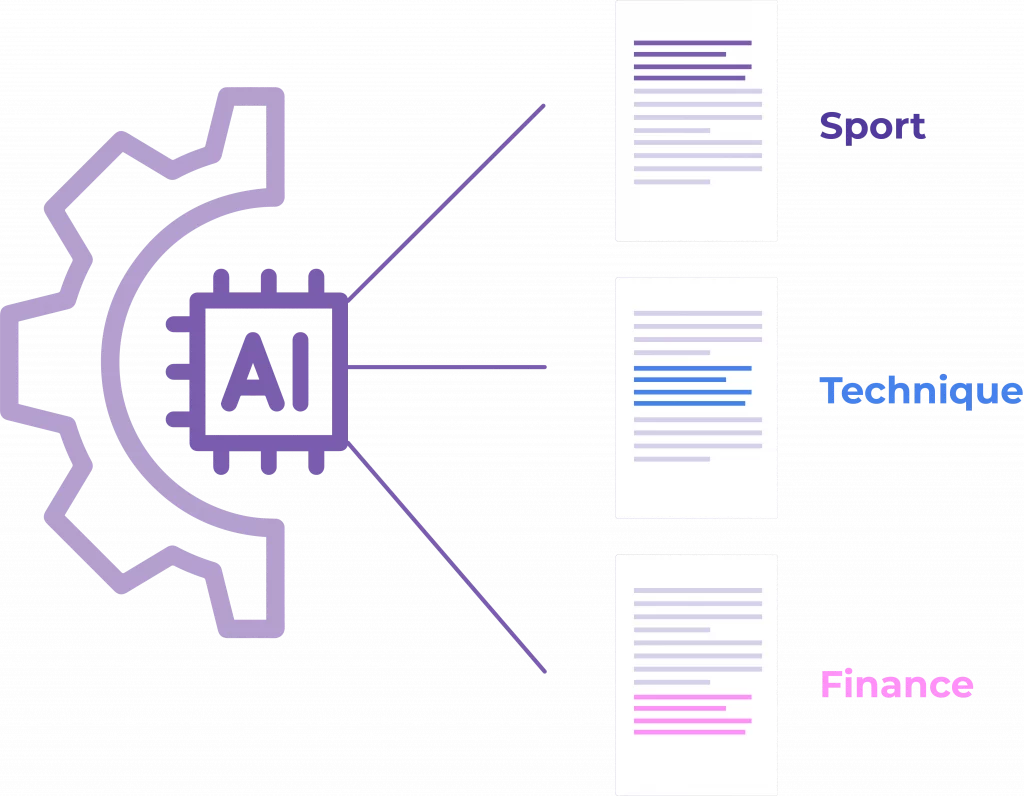
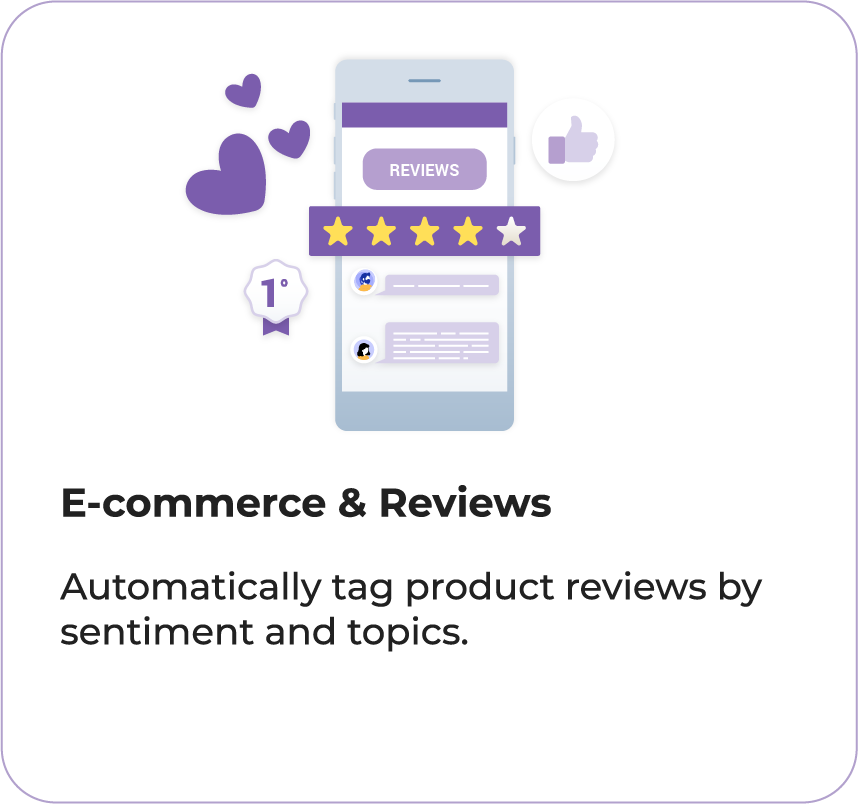
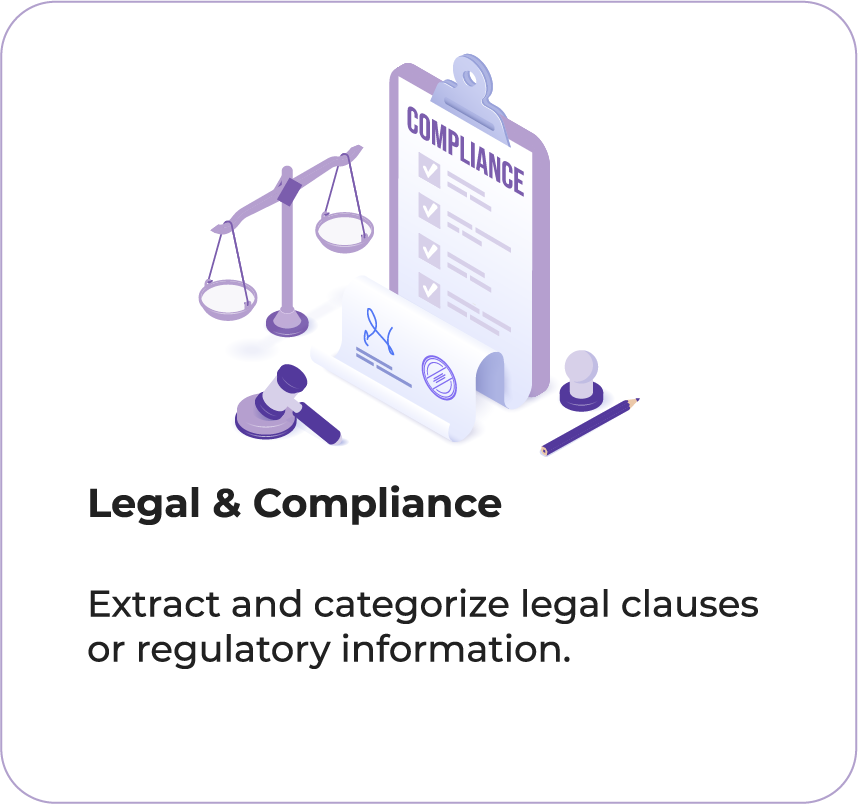
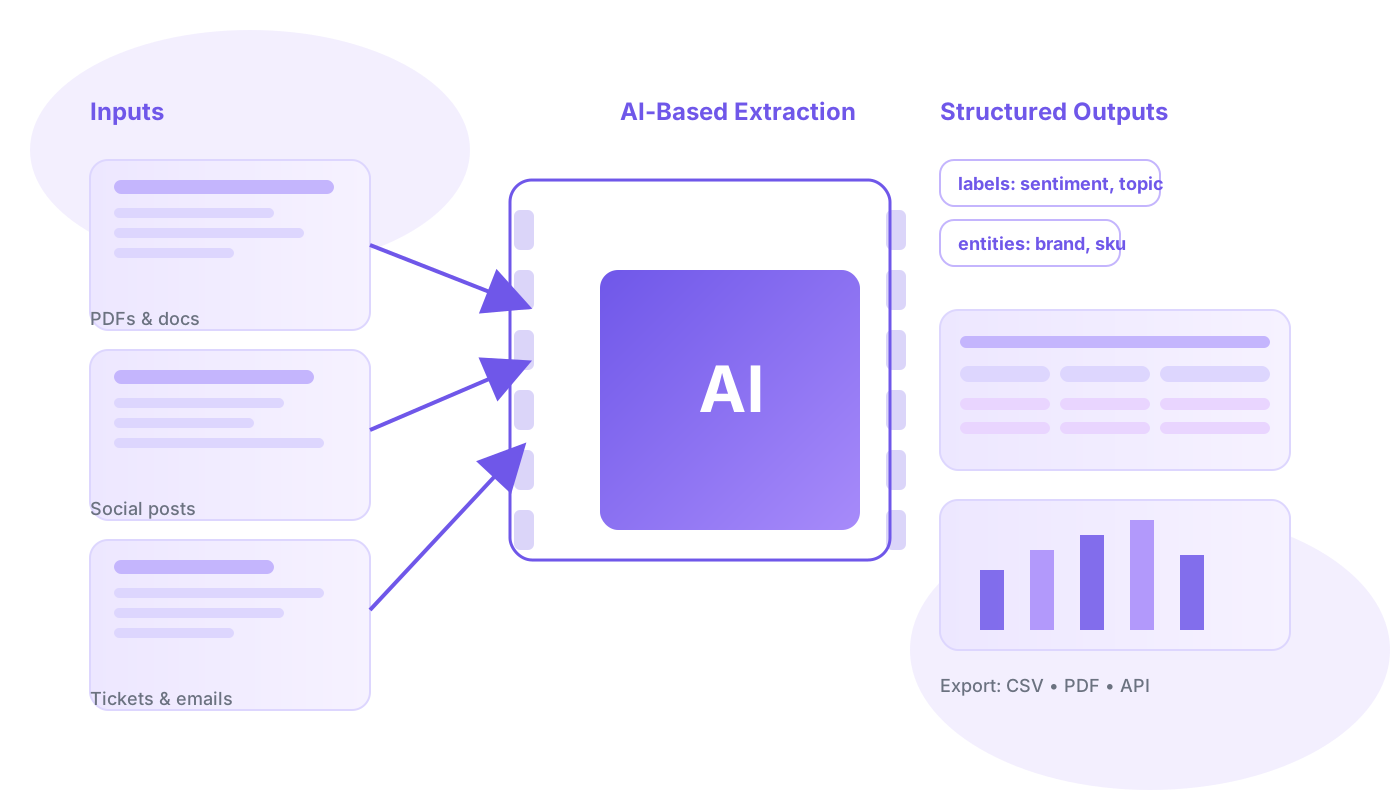
SentiDigital’s AI-based data extraction reads documents, PDFs, and social posts. It looks at the context and the links between words. Then it captures entities, keywords, and labels automatically. As a result, you get clean data for dashboards, analytics, and model training. Whether you work in e-commerce, customer service, healthcare, or legal tech, this approach quickly turns raw text into clear insights. In addition, the system spots repeating themes and keeps results consistent, so teams save time and improve accuracy.
Next, automate the jump from raw text to structured data. With SentiDigital, you can upload a file or connect a source. Then review the AI suggestions and approve labels with one click. After that, apply the same labels in bulk to many items. Moreover, projects can include several languages, and you can share results through an API. This way, teams in different departments can use the same data without extra work.
You can also match fields to your label list. For example, mark which labels are required. In addition, use simple roles and a review log to keep work consistent. Finally, export the results to CSV or PDF, or send them to your dashboards and data warehouse.
To get started, try a small sample file. Then check the confidence scores and make quick edits. Each time you correct a label, the system learns. Therefore, quality goes up while review time goes down.
How AI Data Extraction Works
SentiDigital uses advanced NLP to understand context at the sentence and document level. It finds entities (people, products, companies, locations, dates), spots high-value keywords, and suggests labels you can accept or change. As a result, this workflow is faster, easier, and more consistent than manual work. You can work in English, French, and Arabic, and you can export results to CSV or PDF, or send them by API.
What You Can Extract with Intelligent Data Extraction
Next, keywords and topics for search, SEO, and content planning.
Then, categories and labels for routing, analytics, and training data.
Finally, sentiment and intent signals to help you set priorities.
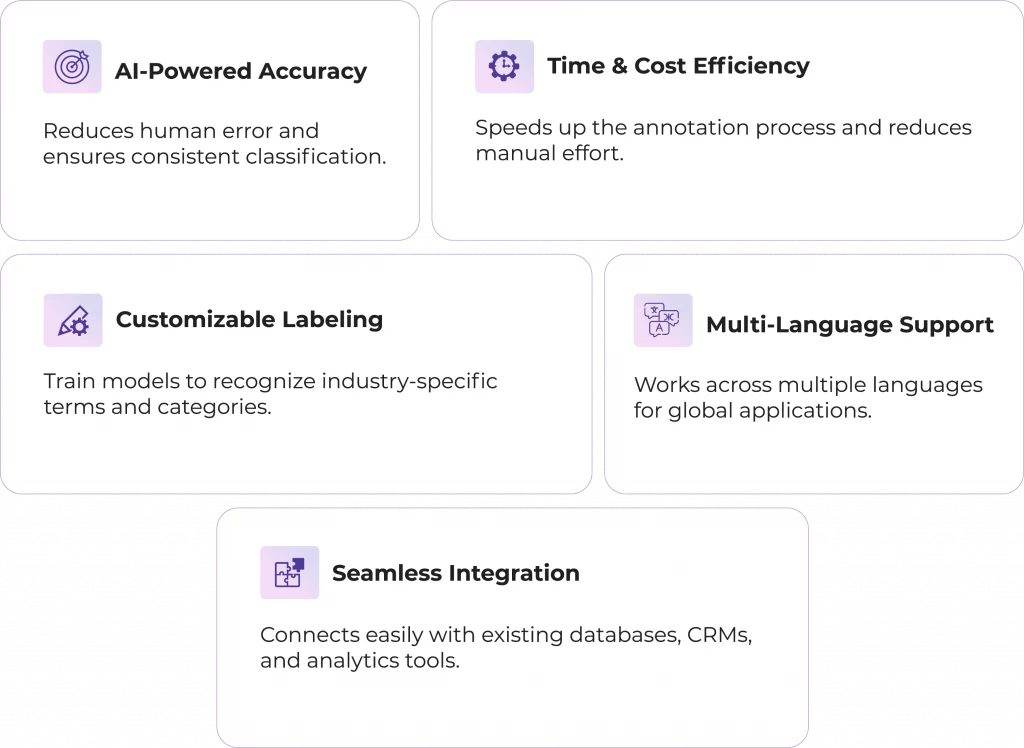
Key Benefits
Why Choose SentiDigital
Accuracy,
Efficient,
Customizable
Use cases
Try It on Your Data
Automate the jump from raw text to structured data. With SentiDigital, upload a file or connect a source, review AI suggestions, and approve labels in one click. Teams use our intelligent data extraction to standardize taxonomies, approve labels in bulk, and sync results to BI tools and CRMs; multilingual projects and API exports make it easy to operationalize insights across departments without adding manual overhead.